
Optimizing Fall Porch Solar Lights with Solar Pumpkin Chime
 Maya ChenContributing Editor
September 6, 2026. This evaluation focuses on the technical requirements for effective seasonal outdoor lighting during the autumn transition. It is intended for homeowners seeking to replace high-draw incandescent decorations with efficient photovoltaic systems.
The Efficiency Deficit in Seasonal Lighting
The conventional wisdom says that adding more lights to a porch creates a welcoming environment, but the energy expenditure of traditional plug-in fall decor often exceeds the actual aesthetic utility. Most consumers ignore the phantom load of seasonal timers and the cumulative cost of running 40-watt bulbs for twelve hours a day throughout October. According to the U.S. Department of Energy, LED and solar alternatives can reduce energy consumption for holiday lighting by up to 90%, yet many households still rely on outdated resistive heating elements disguised as decorative lanterns. The problem isn't just the cost; it's the physical limitation of the porch infrastructure. Overloading outdoor circuits with daisy-chained extension cords creates a fire hazard that is statistically higher during the autumn months. Furthermore, the shift in solar azimuth during September and October means that fixed-position solar panels often fail to reach their full charging potential. Many fall themed solar wind chimes suffer from poor placement, leading to premature battery failure or dim output by mid-evening. Here's the part nobody talks about: most solar decor is designed for the high-intensity sun of July, not the filtered, shorter days of the fall season. Without a high-efficiency monocrystalline panel, a standard solar light is little more than a plastic ornament after 7:00 PM.
Solar Pumpkin Chime Integration and Performance
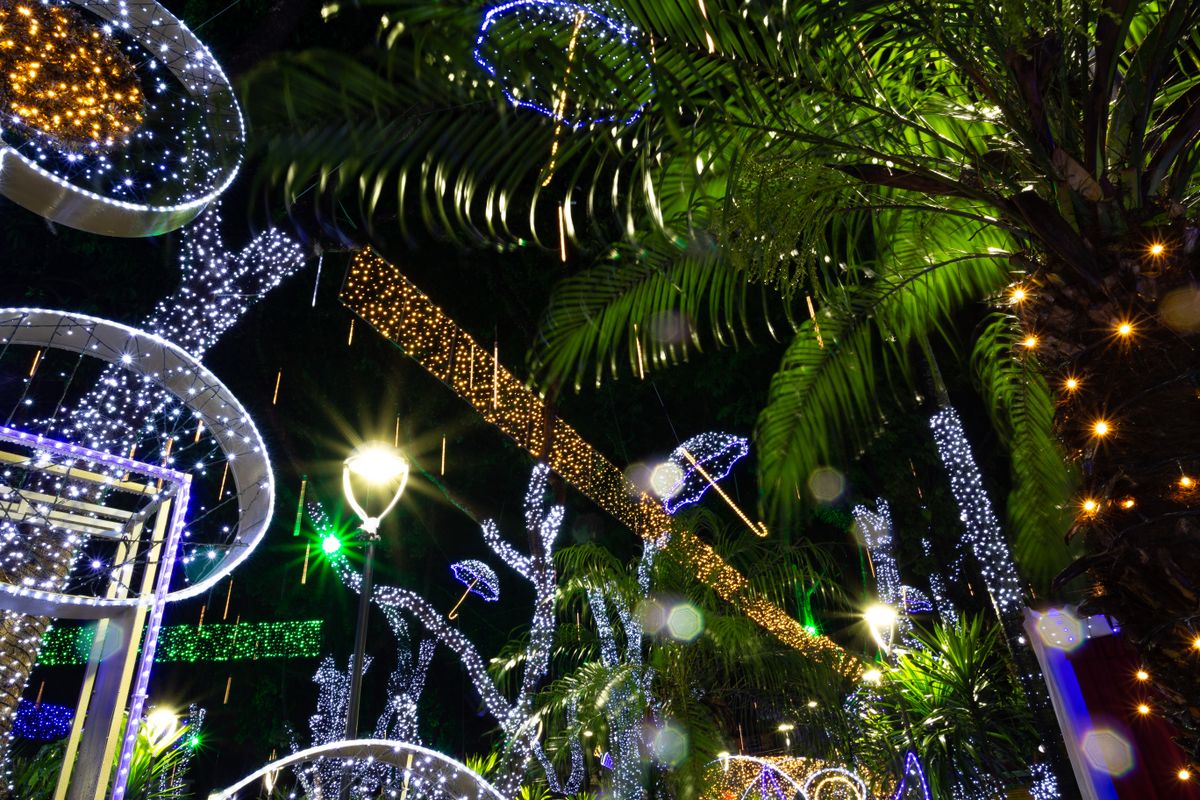
Photo by Marcelo Chagas on Pexels
Addressing the failure rate of seasonal lighting requires a shift toward autonomous, low-voltage systems like the Solar Pumpkin Chime. Unlike standard string lights that require manual activation or unreliable mechanical timers, this unit utilizes an integrated photosensor to automate the transition from charge state to discharge state. The Solar Pumpkin Chime utilizes a high-conversion solar cell mounted on the top of the chime housing, which is optimized for the lower light levels characteristic of the fall season. Run the math: a standard Li-ion battery in these units requires approximately six hours of direct sunlight to power the internal LEDs for an eight-to-ten-hour cycle. When compared to a light up pumpkin chime for porch that relies on disposable alkaline batteries, the solar model eliminates the recurring cost and environmental waste of battery replacement. The build quality involves weather-resistant materials designed to withstand the temperature fluctuations of autumn, preventing the internal circuitry from succumbing to morning frost or heavy condensation. By utilizing pumpkin solar wind chimes, users can achieve a multi-sensory porch environment that functions independently of the home's electrical grid. The integration of color-changing LED technology within the pumpkin housings provides a consistent lumen output that does not degrade as the battery voltage drops, a common flaw in cheaper, unregulated solar circuits. This ensures that the pumpkin solar wind chimes maintain their visual impact throughout the entire night.
Technical Decision Framework for Autumn Solar Deployment
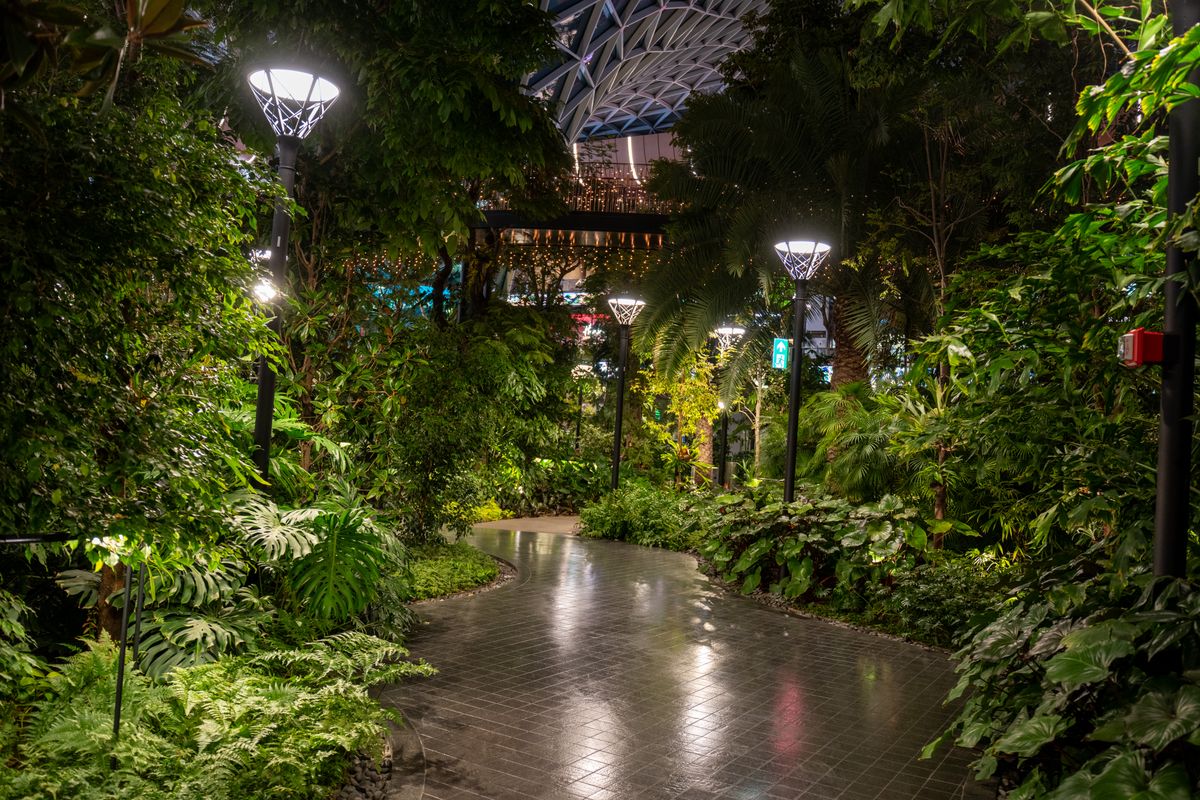
When selecting fall porch solar lights, the primary metric should be the ratio of panel surface area to total LED count. A common mistake is prioritizing the number of glowing elements over the system's ability to actually power them. To ensure your outdoor setup remains functional through the solstice, follow this deployment checklist:
- Verify the solar panel type; monocrystalline panels offer higher efficiency in the diffused light of a cloudy autumn day compared to polycrystalline alternatives.
- Assess the IP (Ingress Protection) rating to ensure the unit can handle the increased rainfall and humidity of the fall season.
- Position the chime at least three feet away from artificial light sources like streetlamps or porch floods to prevent the photosensor from malfunctioning.
- Clean the solar collector weekly with a damp cloth to remove pollen, dust, or fallen leaves that block photon absorption.
- Check the suspension hardware; autumn wind gusts require reinforced hooks rather than simple adhesive strips.
- Monitor the discharge duration during the first three nights to determine if the location receives sufficient irradiance for a full charge.
Shop Solar Pumpkin Chime here.