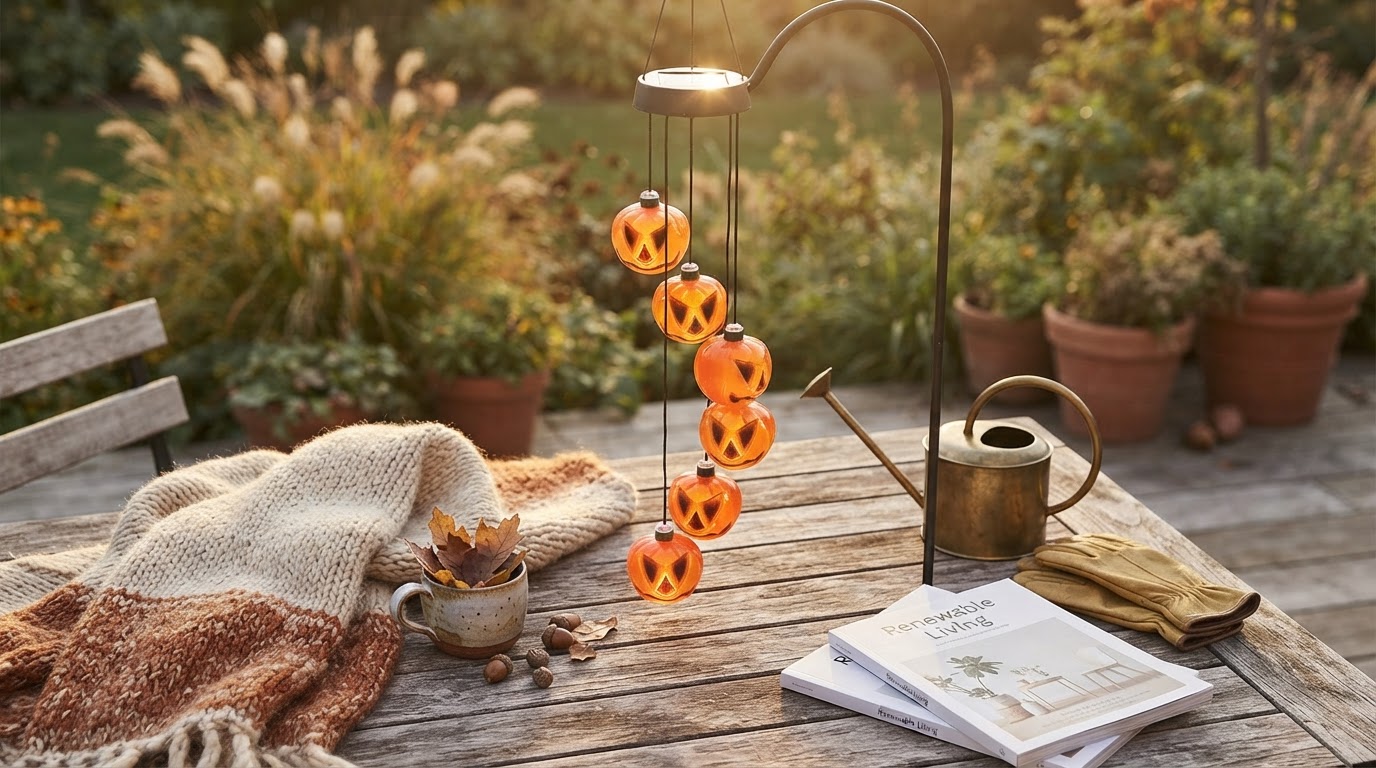
Sustainable Outdoor Lighting with Solar Pumpkin Chime
 Maya ChenContributing Editor
August 23, 2026. This technical assessment examines the operational efficiency and decorative utility of the Solar Pumpkin Chime within modern residential landscapes. It is intended for homeowners seeking to balance aesthetic seasonal themes with autonomous, renewable energy solutions.
The Efficiency Gap in Seasonal Garden Decor
The conventional wisdom says that seasonal garden lighting is inherently wasteful, relying on disposable battery units or high-draw AC connections that complicate installation. However, the move toward solar integration has often resulted in underpowered hardware that fails to maintain illumination past midnight. According to the International Energy Agency, the efficiency of residential photovoltaic applications depends heavily on the quality of the energy storage system rather than just the surface area of the panel. Most consumers ignore the discharge rate of nickel-metal hydride batteries used in standard garden ornaments, leading to a cycle of purchase and disposal when the units fail to trigger in low-light conditions. The problem isn't the solar concept itself, but the lack of integration between the kinetic elements, like pumpkin wind chimes solar powered, and the electrical load required for consistent LED output. When hardware is treated as a disposable novelty, the environmental cost of production outweighs the carbon savings of the solar panel. We see a saturation of products that prioritize visual complexity over weatherproofing standards, leaving consumers with hardware that corrodes after a single season of exposure to humidity and temperature fluctuations.
Engineering the Solar Pumpkin Chime Solution
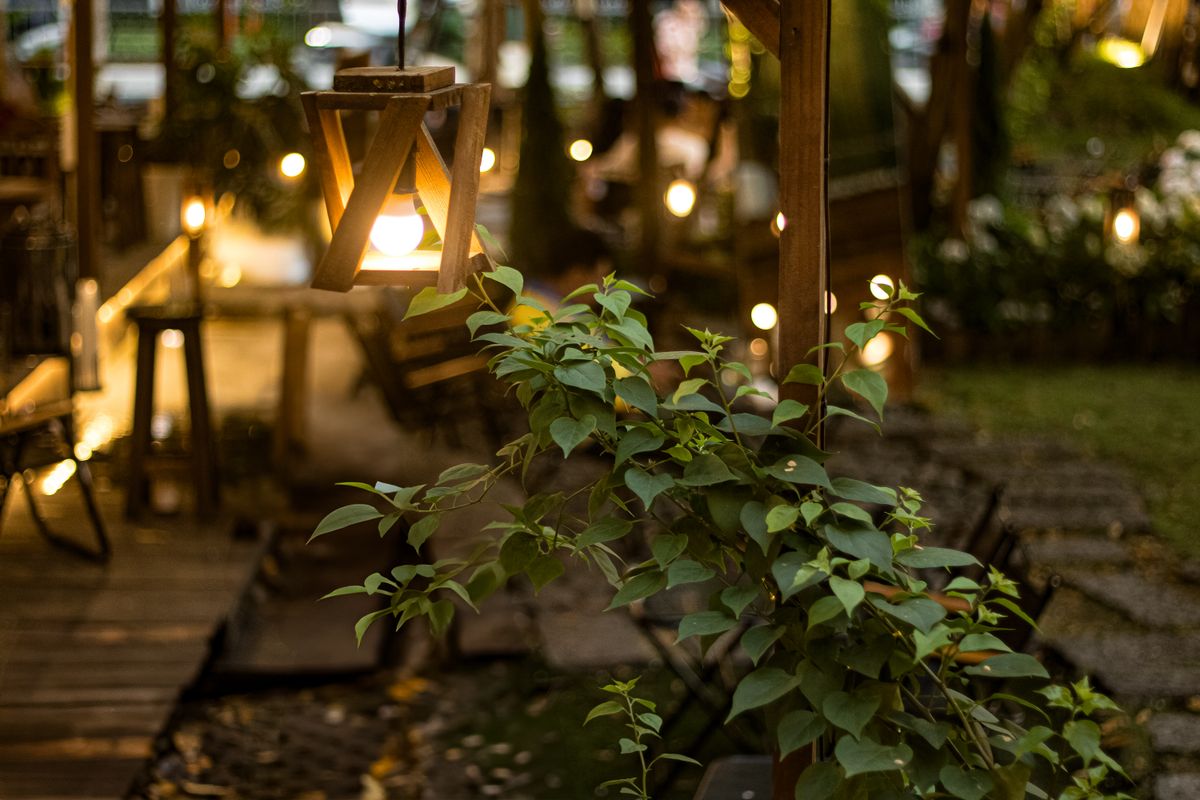
Photo by Duy's House of Photo on Pexels
Solar Pumpkin Chime addresses these specific engineering failures by consolidating a high-conversion monocrystalline panel with a durable kinetic frame. Here's the part nobody talks about: the mechanical stress on a chime's suspension system often leads to wiring fatigue in cheaper models. By housing the circuitry within a reinforced central hub, this unit protects the internal light up pumpkin wind chime components from the constant motion induced by wind. The system operates on a dedicated light sensor that bypasses manual switching, ensuring that the energy harvested during peak sun hours is strictly reserved for dusk-to-dawn operation. Unlike standard pumpkin solar wind chimes that use low-grade plastic housing, the Solar Pumpkin Chime utilizes UV-resistant polymers that prevent the yellowing and brittleness typical of long-term sun exposure. This longevity is critical for maintaining the refractive quality of the pumpkin housings, which are designed to diffuse LED light without significant lumen loss. Furthermore, the integration of light up pumpkin hanging decor elements into a single power circuit reduces the number of failure points common in multi-unit displays. By centralizing the battery and panel, the device maintains a more stable voltage, which prevents the flickering often seen in budget pumpkin wind chimes solar powered versions. The result is a consistent 8-hour runtime under optimal charging conditions, providing a predictable performance metric for landscape planning.
Strategic Implementation and Decision Framework
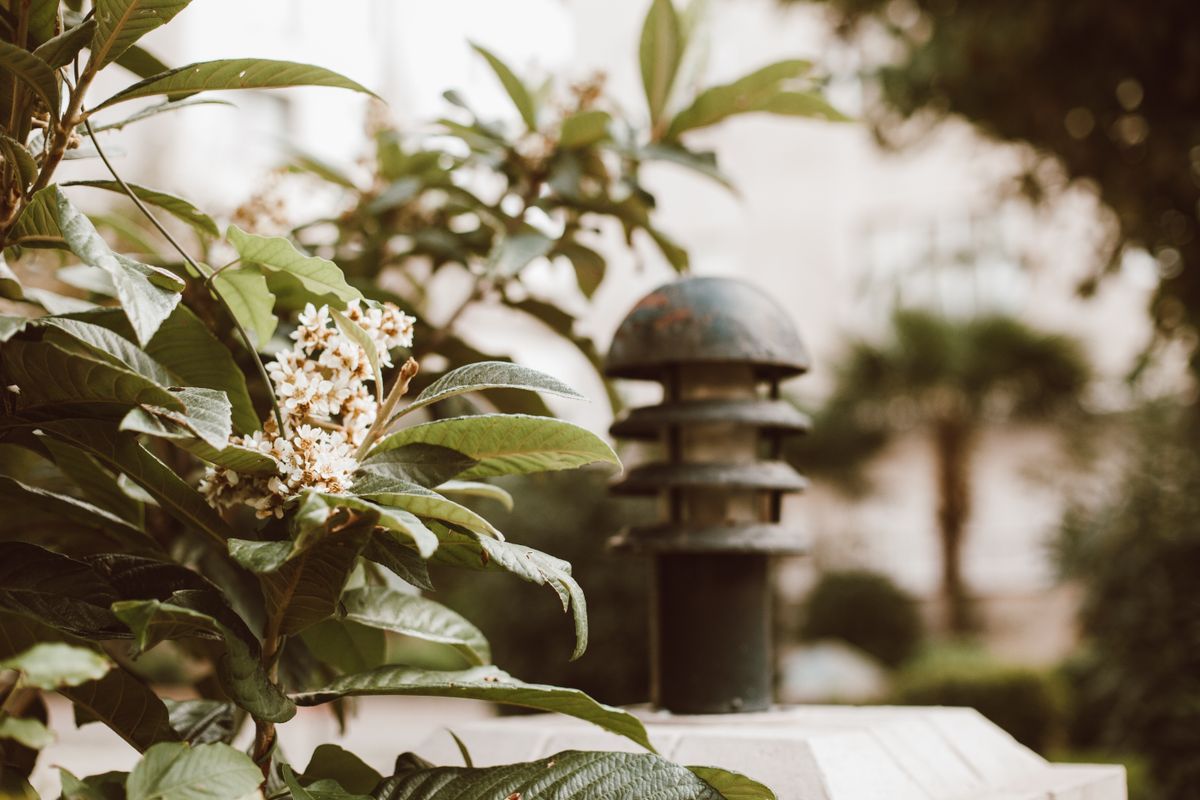
Photo by ROMAN ODINTSOV on Pexels
Run the math: a single Solar Pumpkin Chime replaces the need for approximately three to five individual battery-operated stakes, reducing both maintenance labor and long-term battery costs. When evaluating the placement for pumpkin solar wind chimes, the primary variable is not just direct sunlight, but the ambient light interference from streetlamps which can trick sensors into remaining off. To ensure the light up pumpkin hanging decor functions as intended, users must audit their installation site for clear sky access between 10:00 AM and 2:00 PM. I'll change my mind when a cheaper alternative can demonstrate a three-year lifecycle without significant battery degradation or housing fade. Until then, the durability of this specific chime remains the benchmark for the category.
- Verify the solar panel type; monocrystalline is preferred for high-latitude performance.
- Inspect the suspension cord material to ensure it is rated for high-wind environments.
- Confirm the presence of an IP65 or higher waterproof rating for year-round utility.
- Assess the battery capacity (mAh) to ensure it supports at least 6 hours of continuous illumination.
- Check for an automatic dusk-to-dawn sensor to eliminate manual operation requirements.